
Dispensation of medicinal products
Medicinal products are dispensed in public pharmacies (dispensaries):
- against a medical prescription;
- on the advice of a pharmacist;
- at a person's request.
Public pharmacies are pharmaceutical establishments that are authorised to:
- dispense medicinal products to the public;
- compound medicinal preparations;
- sell medicinal plants;
- sell medical devices (equipment);
- sell various accessories;
- and sell hygiene products.
Pharmacies are a public service that is managed on a concession basis. The creation and transfer of dispensaries are governed by law.
Pharmacists prepare, check, store and dispense medicinal products.
The pharmacist's role
When you go to the pharmacy with a prescription for a medicinal product, the pharmacist will:
- check your prescription;
- check that there is a genuine need to take the medicinal product;
- prepares the dose to be administered, if necessary;
- tell you how to take the medicinal product (duration of treatment, amount to take, and how to take it);
- tell you about possible interactions with other medicinal products or substances – such as alcohol, for instance – and adverse side effects.
Pharmacists have a special duty to give advice when dispensing non-prescription medicinal products.
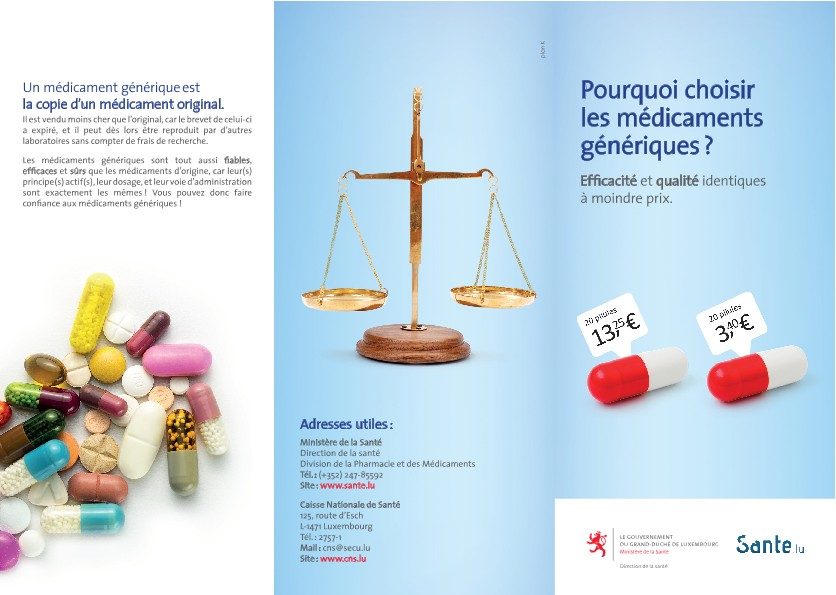
Pharmacists may substitute, add or remove items on medical prescriptions. In particular, they can replace a brand of a medicinal product with another brand, or propose a generic medicinal product.
Publication
Last update