
Risks associated with radiotherapy and medical imaging
A distinction is made between the effects of a high dose and the effects of a low dose.
The effects of high doses only occur above a certain dose:
- mainly during radiotherapy treatment;
- but there may also be undesirable skin reactions in interventional radiology.
Risks associated with medical imaging examinations
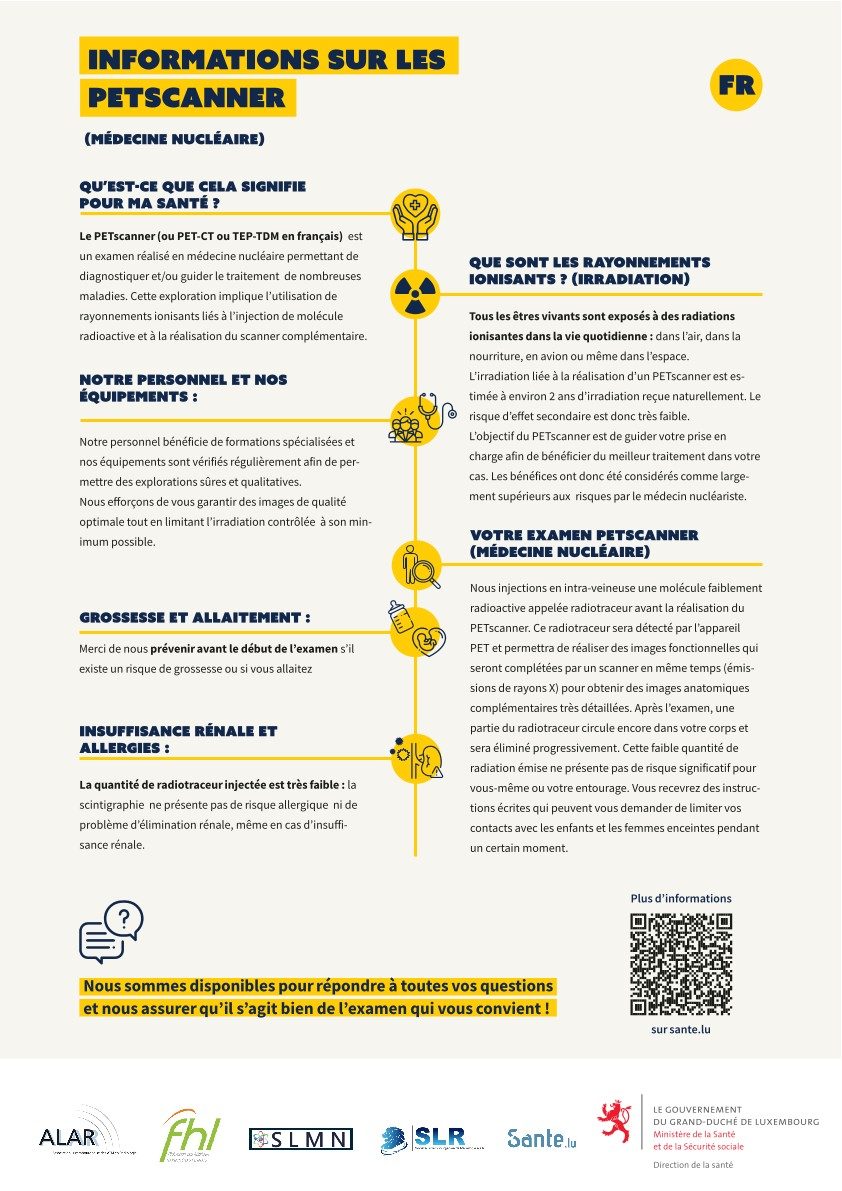
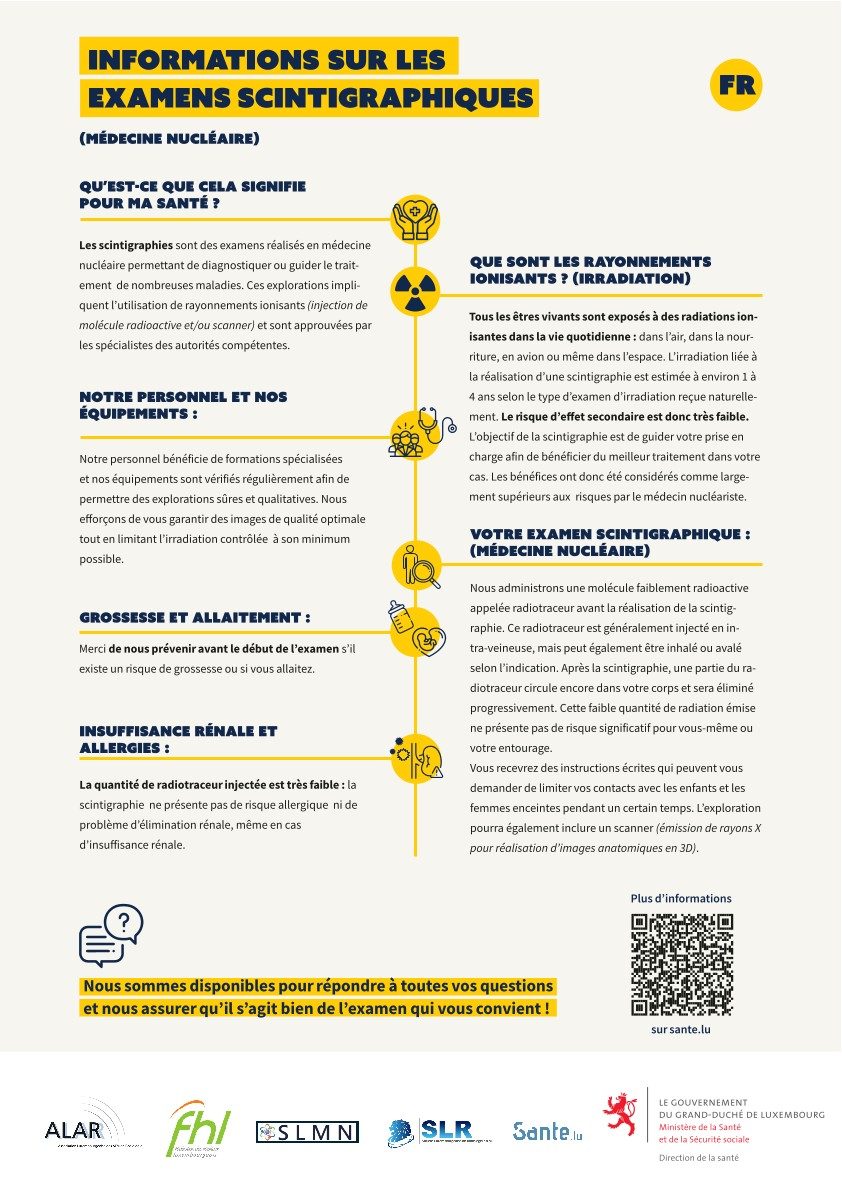
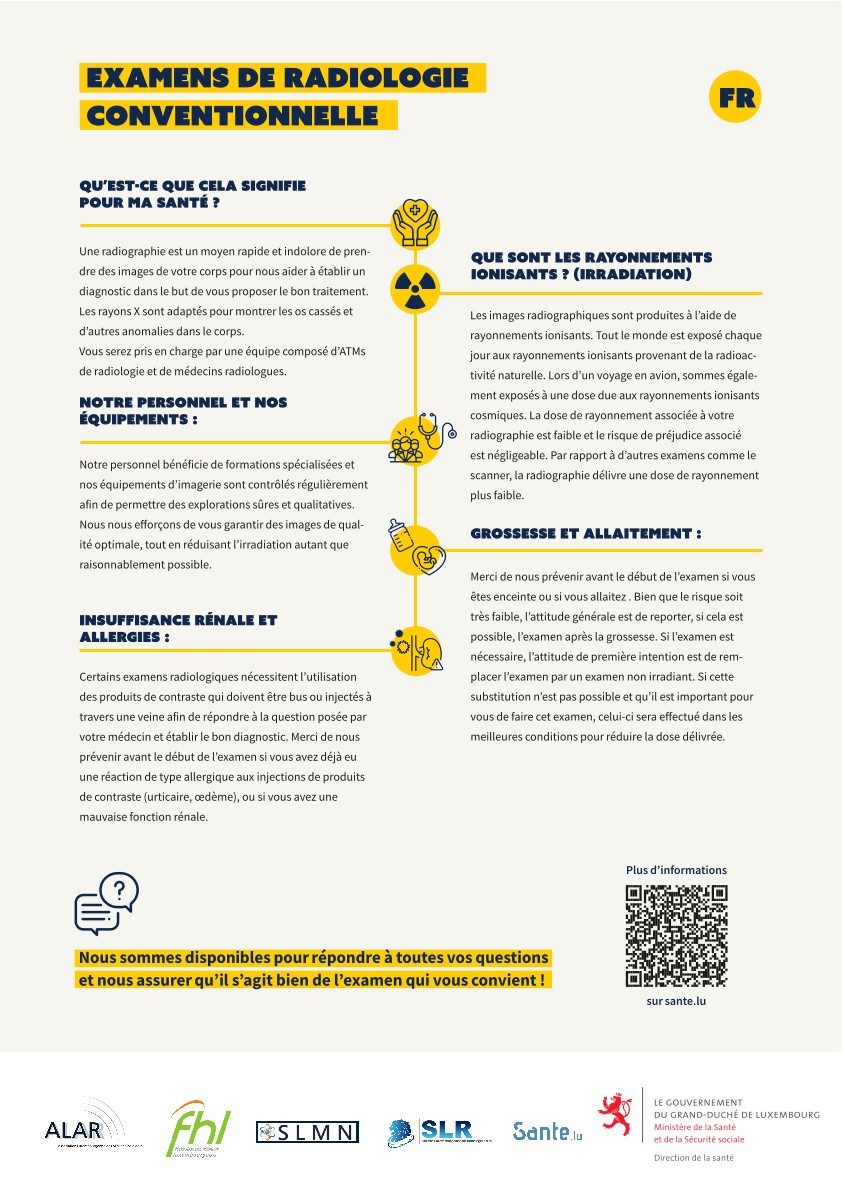
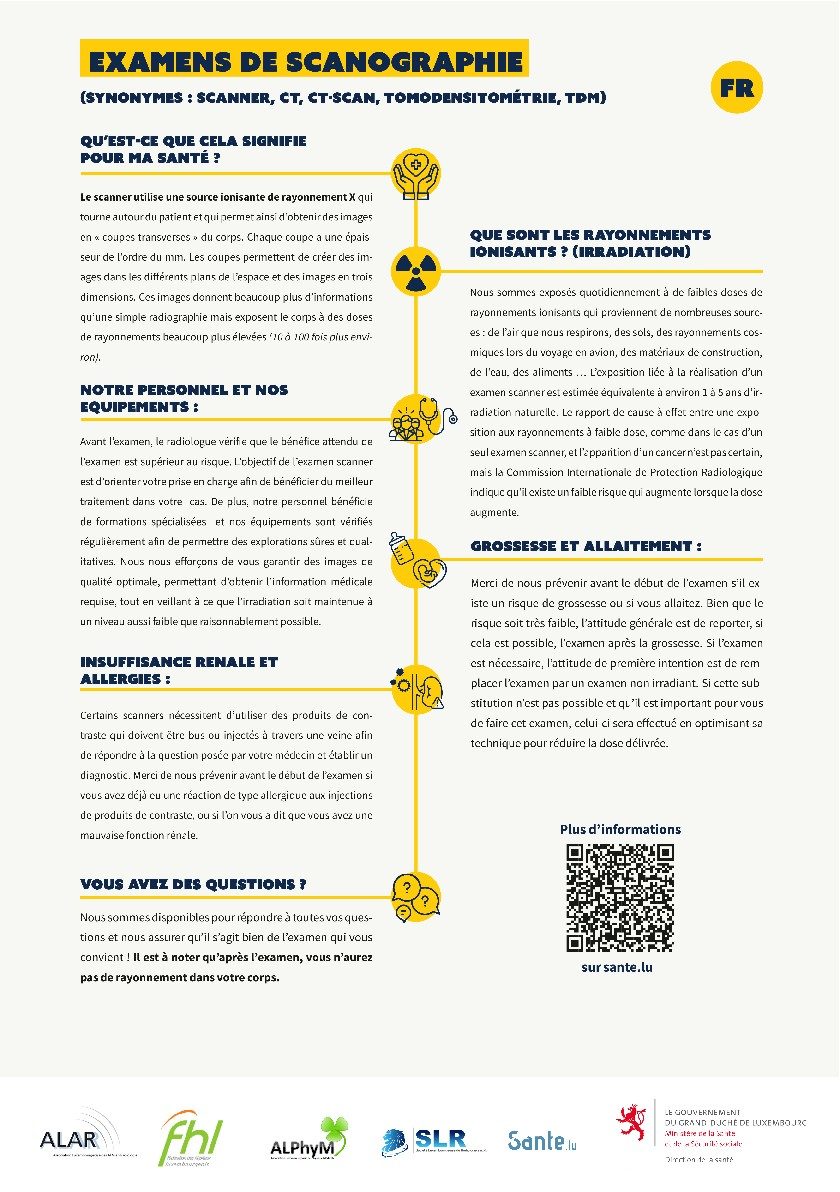
Most medical imaging examinations involve low doses, i.e. less than 10 millisieverts. The risk associated with a single examination is therefore very low.
On average, every individual receives a dose of 2 millisieverts from medical imaging tests per year. This trend is growing, and the risk of developing cancer, at the population level, is not negligible.
Risks associated with radiotherapy
The effects of high doses are used deliberately in radiotherapy, mainly to treat cancers.
A high dose of radiation (several tens of greys) is deliberately directed at a tumour in order to destroy it.
This dose must be delivered to the tumour with as much precision as possible to prevent the occurrence of adverse effects in surrounding healthy organs.
Risks associated with Interventional radiotherapy
For some complex radiological procedures, such as interventional radiology, interventional cardiology and neuroradiology, a very large number of images must be captured and, because of this, the patient's skin can be exposed to high doses of radiation.
These high doses can have an effect on the skin. The higher the dose, the greater the effects will be.
These effects will only occur if a threshold dose (several greys) is exceeded. These very high doses are exceptional in radiology. The effects are therefore very rare and would not normally occur after a single examination.
Last update