
Respiratory infections

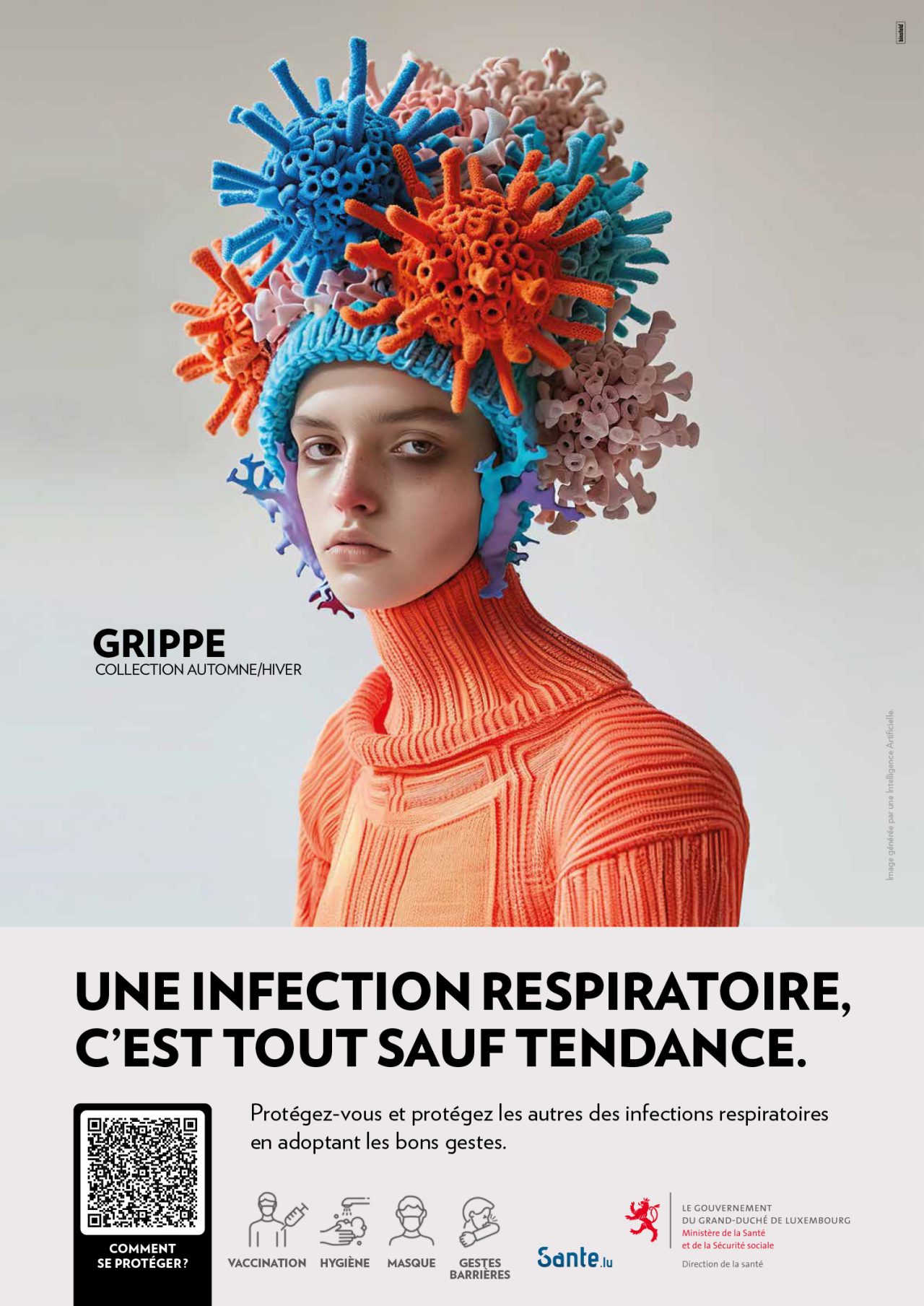
Protect yourself from respiratory infections this winter
A respiratory infection is characterised by an infection of the upper respiratory tract (the nose, throat etc.) and lower respiratory tract (the bronchial tubes and lungs). They may present in the form of clinical symptoms such as sneezing, coughing, fever, sore throat and a runny nose.
Acute respiratory infections are caused by a range of respiratory viruses: the Influenza virus (flu), the SARS-CoV-2 virus (COVID-19), and bacterial infection by Streptococcus pneumoniae (pneumococcal pneumonia).
Healthy habits to protect yourself: just as easy as it seems
Avoid close contact.
Avoid close contact with infected people, or with others when you yourself are sick. Keep away from other people to avoid infecting them in turn.
When you sneeze, cover your mouth and nose.
Cover your mouth and nose with a tissue when coughing or sneezing. This will help prevent the people around you from falling ill. Viruses spread mainly through the droplets that are emitted when people cough, sneeze or speak.
Throw used tissues in the bin immediately, and then wash your hands.
Wash your hands for 30 seconds with soap and water, several times a day.
Washing your hands often helps to protect yourself from germs. If you do not have access to soap and water, use an alcohol-based hand sanitiser.
More information: Hand hygiene
Avoid touching your eyes, nose or mouth.
Germs can spread when a person touches an object that has been contaminated with germs, and then touches their eyes, nose or mouth.
Ventilate your environment regularly.
Ideally, air rooms 3-4 times a day, for 10 minutes at a time, both at home and at work.
Stay at home when you are sick.
If possible, when you are sick, stay at home. Do not go to work or school, or go shopping. In this way, you will avoid passing on your infection to others.
Adopt other good health habits.
Clean and disinfect any frequently touched surfaces at home, at work or at school, particularly when someone is ill. Get enough sleep, incorporate movement into your life, manage your stress levels, drink plenty of fluids, and eat a healthy diet.
Last update